Translate tribal knowledge into machine logic. We create the “As-is” and “To-Be” technical blueprints (PDD) needed to make your automation or scaling projects a success.
Trusted by modern development agencies
Why unwritten Processes Kill your ROI
01

Bot Failure
40% of automation projects fail due to poor process definition. We prevent this.
02

institutional amnesia
Your best processes live in a few people’s heads. What if they leave tomorrow?
03
automated chaos
Automating a broken process just makes mistakes happen faster. We map, then optimize.
Our Structured Discovery Journey
01

Deep-Dive Interviews
We conduct interviews and record sessions to capture every edge case.
02
Process Analysis
We map your “As-Is” state to expose hidden bottlenecks.
03
The Technical PDD
We design the “To-Be” flow and produce a detailed PDD for developers.
We Translate Intuition Into Machine Logic
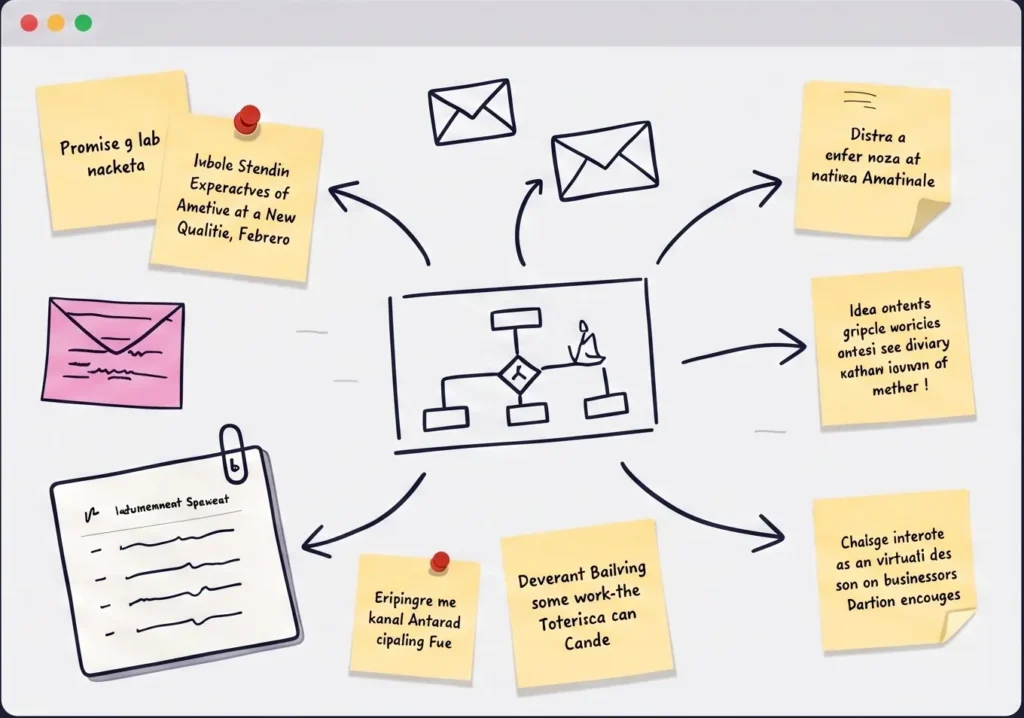
The "Tribal Knowledge" State
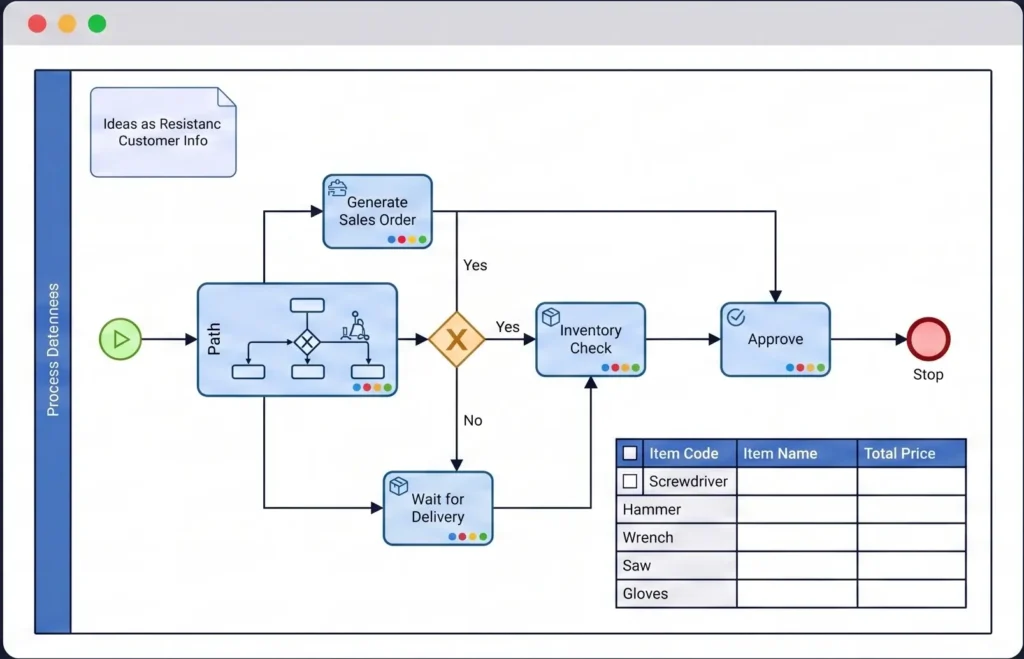
The "Automation-Ready" Blueprint
The Strategic Roadmap: From Tribal Knowledge to Machine Logic
01
Phase 1
The Readiness Audit (The "Filter")
What we do: We perform a high-level scan of your department to identify “High-ROI” vs. “High-Risk” workflows.
Deliverable: An Automation Feasibility Scorecard and a Prioritization Matrix.
The Goal: To stop you from wasting money on processes that shouldn’t be automated.
The Goal: To capture the “secret sauce” that only your best employees know.
02
Phase 2
Deep-Dive Discovery (The "Extraction")
What we do: Screen-recording sessions, stakeholder interviews, and edge-case mapping. We document the “As-Is” state in its raw form.
Deliverable: A Comprehensive Process Map (BPMN 2.0) that reveals every hidden bottleneck.
01
Phase 3
The "To-Be" Optimization (The "Cleanup")
What we do: We redesign the workflow for maximum digital efficiency, removing manual steps that no longer serve a purpose in an automated world.
Deliverable: An Optimized Workflow Design ready for human or bot execution.
The Goal: Don’t automate a mess. Optimize it first.
The Goal: Total developer clarity. Zero guesswork.
02
Phase 4
The Technical Blueprint (The "Hand-off")
What we do: We translate the optimized map into a click-by-click Process Definition Document (PDD).
Deliverable: The Master PDD—a technical manual so precise that any developer (internal or outsourced) can build the solution without asking you a single question.
Common Questions
What is a Process Design Document (PDD) and why do I need it?
A PDD is a highly detailed, step-by-step blueprint of exactly how a business process is executed today, and how it should run tomorrow. It converts human ‘intuition’ into machine-ready logic, acting as the mandatory roadmap developers or platforms need before successful automation can happen
How long does a typical scoping and mapping exercise take?
A typical scoping, mapping, and PDD delivery exercise takes 2 to 6 weeks for an average, medium-complexity business process. For highly complex, cross-departmental operations (e.g., global ERP or large-scale automation pipelines), the timeline can extend to 8 to 12 weeks or more. This includes our initial stakeholder interviews, analyzing the operational paths, and delivering the finalized, implementation-ready PDD
Which team members need to be involved in the discovery interviews?
We primarily need time with the Subject Matter Experts (SMEs)-the actual operators who execute the process every day. We also briefly interview the process managers or supervisors to capture the underlying business rules, exception cases, and overall governance requirements.
What if our current processes are messy, unstructured, or broken?
That is exactly why you map them. The “As-Is” mapping stage is designed specifically to uncover redundancies, delays, and friction points in your existing setup. We then apply standard process optimization frameworks to redesign a clean, streamlined “To-Be” flow before you invest in any automation.
Are the PDD blueprints tied to a specific software or automation tool?
No. Our Process Design Documents use universal, industry-standard notations (like BPMN 2.0). This means your final blueprint is platform-agnostic and can be handed to any internal developer or external vendor to build using Python, Microsoft Power Automate, UiPath, or customized ERP systems.
How does mapping our processes help with onboarding new hires?
A technical PDD doubles as the ultimate standard operating procedure (SOP). Instead of relying on oral training (“tribal knowledge”), new employees have a visual, unambiguous step-by-step guide showing exactly what triggers their tasks, which systems to use, and how to handle unusual exceptions.